









Warning: Spoilers Ahead
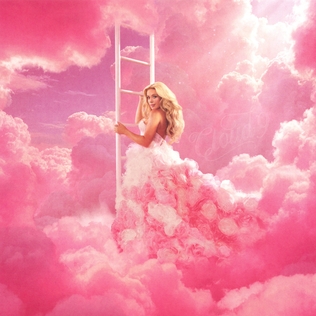
Wicked: For Good, the highly anticipated sequel to Wicked, was released in theaters on November 21, 2025. This was almost exactly one year after the first film, which was a global success, making a total of $759 million worldwide at the box office. Similarly, Wicked: For Good has also been a success at the box office, generating $475 million at the box office as of today.
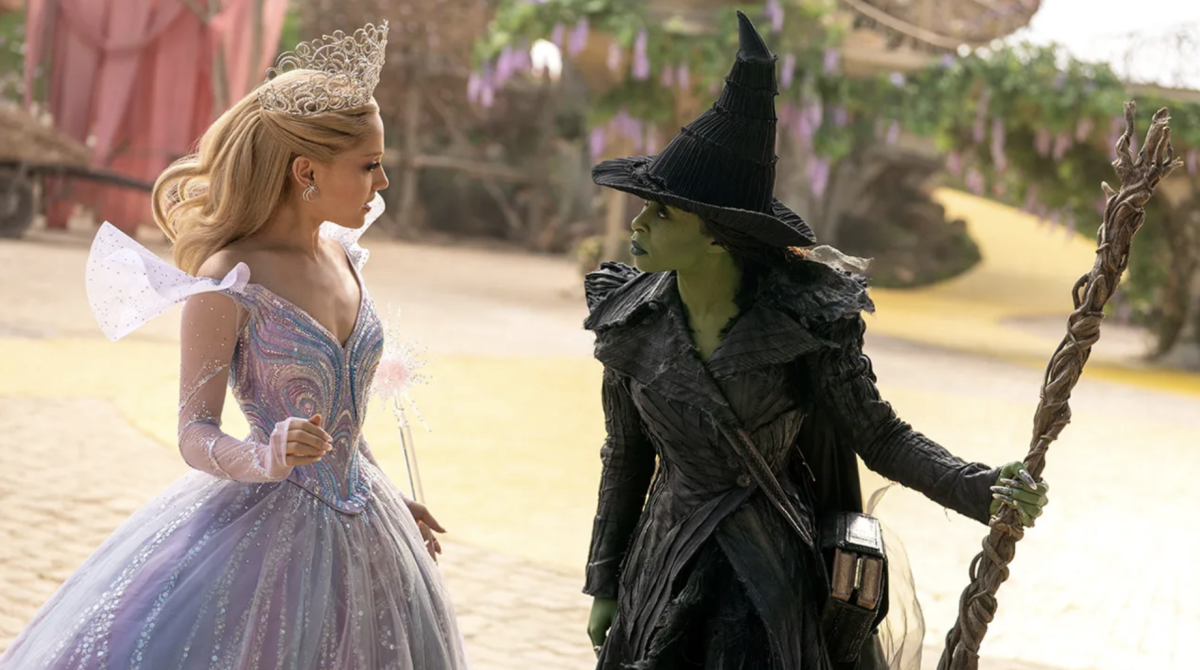
In case you need a reminder, the first film ends with Elphaba (Cynthia Erivo) deciding to flee to the west after she and Glinda (Ariana Grande) share an emotional farewell, and the latter chooses to stay behind in Oz, the magical world the story takes place in.
The new film centers on Glinda being labeled the “Good Witch” and having a role as a public figure and fiancée to Fierro (Jonathan Bailey), the new Captain of the Gale Force (Oz’s version of the Guard). However, things are further shaken up when Madam Morrible (Michelle Yeoh) creates a tornado to kill Elphaba’s sister, Nessarose (Marissa Bode). The tornado leads to Dorothy (Bethany Weaver) finding herself in Oz, which leads to the story we all know and love: The Wizard of Oz.
However, For Good is not simply a retelling of The Wizard of Oz. It tells the “untold true story” of the Ozian Witches, according to the tagline for the show. It is a more nuanced musical that connects both Wicked and The Wizard of Oz together perfectly.
Wicked: For Good is evidently much darker than the first film, which focused on Elphaba and Glinda’s experiences at Shiz University and their budding friendship. However, For Good takes a different approach, with Glinda and Elphaba being separated by their vastly different lives for the majority of the film. Glinda “The Good” is the spokesperson for the Wizard but is being used by Madame Morrible, whereas Elphaba has been fighting for animal rights and has been branded the Wicked Witch of the West by Oz. This shift in tone is accurate to the Broadway show and to the circumstances that our two protagonists are in. Both are internally struggling: Glinda with weighing the world on her shoulders, and Elphaba with being all alone and reviled by everyone (except for Glinda and Fieryo.)
The movie also added two new songs: “No Place Like Home” and “The Girl in the Bubble,” which allowed both Erivo and Grande to showcase their immense acting and singing talents. These two songs were necessary because they allowed the audience to further understand Elphaba and Glinda’s motivations and feelings throughout the two films. One of the best parts of splitting Wicked into two parts was that it gave Grande, Erivo, and director Jon M. Chu the chance to further develop their characters in ways that were impossible to do in a two-and-a-half-hour stage show.
“For Good,” the final song of the musical, was a highlight of the film that accentuated the devastating end to Glinda and Elphaba’s doomed friendship. This tearful farewell is considered one of the saddest songs on Broadway because of the way the lyrics and themes of the song resonate with so many viewers and is almost certain to tug at anyone’s heartstrings including the movie version. Furthermore, the movie immediately added a scene after “For Good,” where Glinda was hiding in a closet as she watched Elphaba “melt” from a bucket of water that Dorothy threw. This scene was absolutely devastating, especially because it was improvised by Erivo and Grande.
Overall, I would highly recommend watching Wicked: For Good. It closely followed the original stage show while also adding its own charm that positively developed our two main witches and warmed the hearts of theater lovers globally.